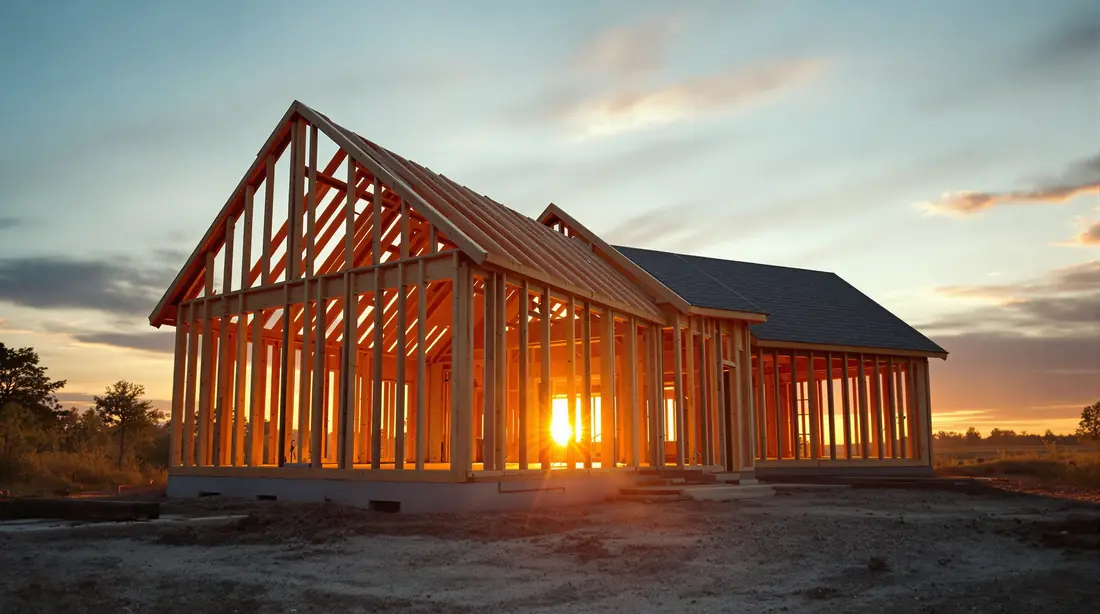
Construction defects come from many places. A design can be flawed. An engineering calculation or environmental study can miss a problem with the site. Materials can be substandard or installed the wrong way. Some contractors cut costs by sending unskilled subcontractors to do skilled work. The result shows up as cracked foundations, leaks, roof failures, settling floors or a road that breaks apart years too soon.
Finding the cause is the first job. We look at who did what, review the contracts, plans and change orders, and work with qualified consultants to trace a defect back to its source. Then we pursue the parties responsible, whether that is an architect, a planner, an engineer, a builder or a road contractor.
Construction disputes we handle
- Defects in new homes, additions and renovations
- Commercial building defects
- Faulty design and engineering
- Defective or improperly installed materials
- Poor work by unskilled subcontractors
- Water intrusion, roofing and foundation failures
- Road, paving and site work defects
- Delay, payment and breach of contract claims
- Mechanic's lien claims and defenses
Who we take on
Construction projects involve many hands, and responsibility is often shared. We bring claims against architects, planners, engineers, builders, general contractors, subcontractors and road contractors. Sorting out who is responsible for which part of the problem is often the hardest part of the case, and it is where careful investigation pays off.
The contract matters too. It may set warranty terms, require mediation or arbitration, or limit certain damages. We read it closely before deciding how to proceed.
Deadlines and steps that come first
Construction claims carry deadlines that can be easy to miss. Mechanic's liens must be filed within a strict period measured from the last day labor or materials were furnished, and a separate deadline applies to enforcing the lien in court. South Carolina also sets an outer limit, called a statute of repose, that can bar claims a number of years after a project is finished, even if the defect is found later.
For most residential construction defect claims, South Carolina law requires the homeowner to give the contractor written notice and a chance to inspect and offer a repair before filing suit. Following that process correctly protects the claim.
Start with a free consultation
Bring what you have: the contract, plans, photographs, invoices, warranty papers and any letters or emails with the builder. Photograph the damage before repairs are made, and keep removed materials if you can. We will review the facts with you, explain your options and tell you honestly whether we can help.